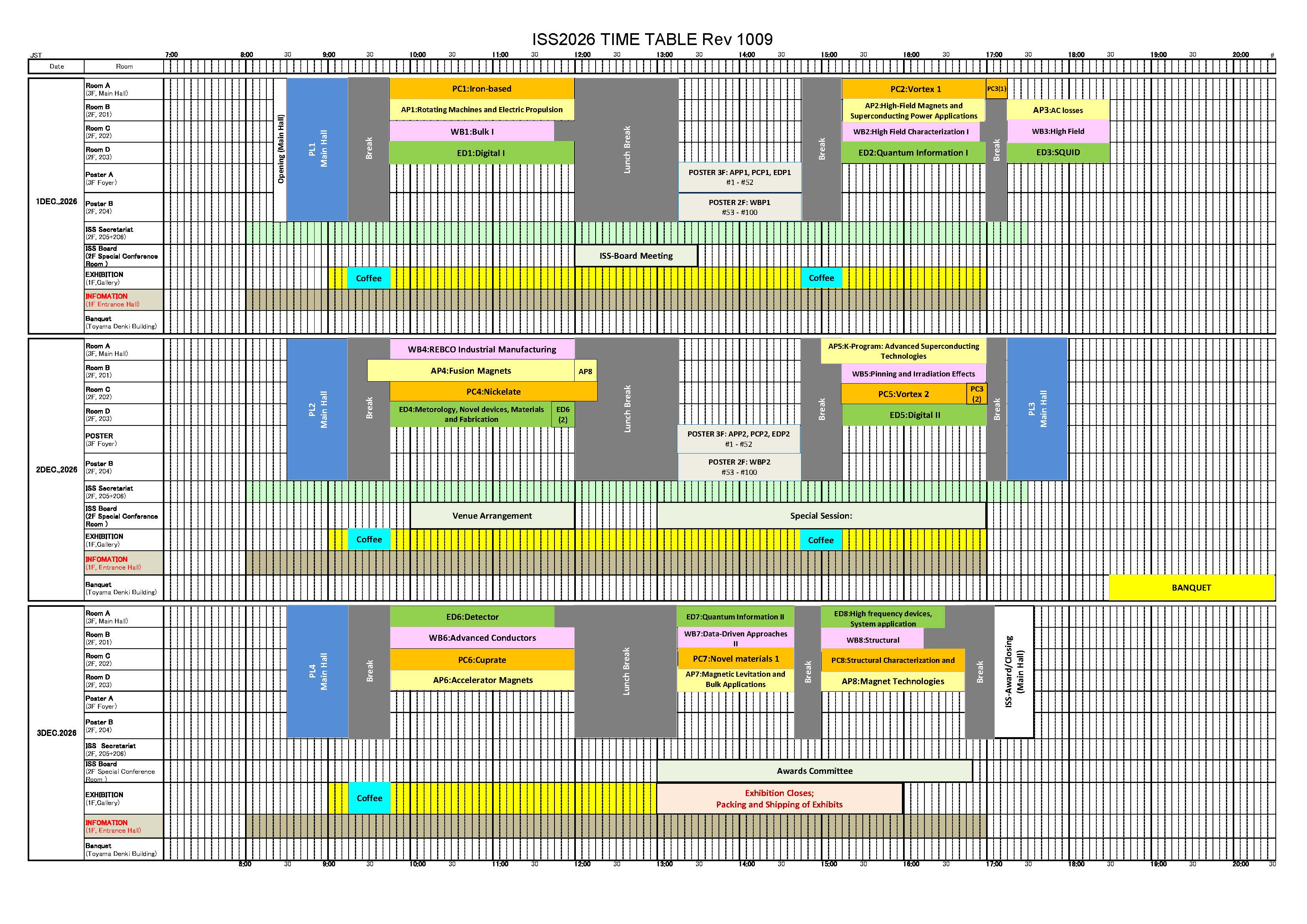
The preliminary ISS2026 Program Book is now available at the link below.
Please note that the program is subject to change.
PLENARY SPEAKERS
Prof. Ryotaro Arita
The University of Tokyo
Toward a Complete Ab Initio Description of Superconducting States: From Critical Temperature to Fundamental Length Scales (Tentative)
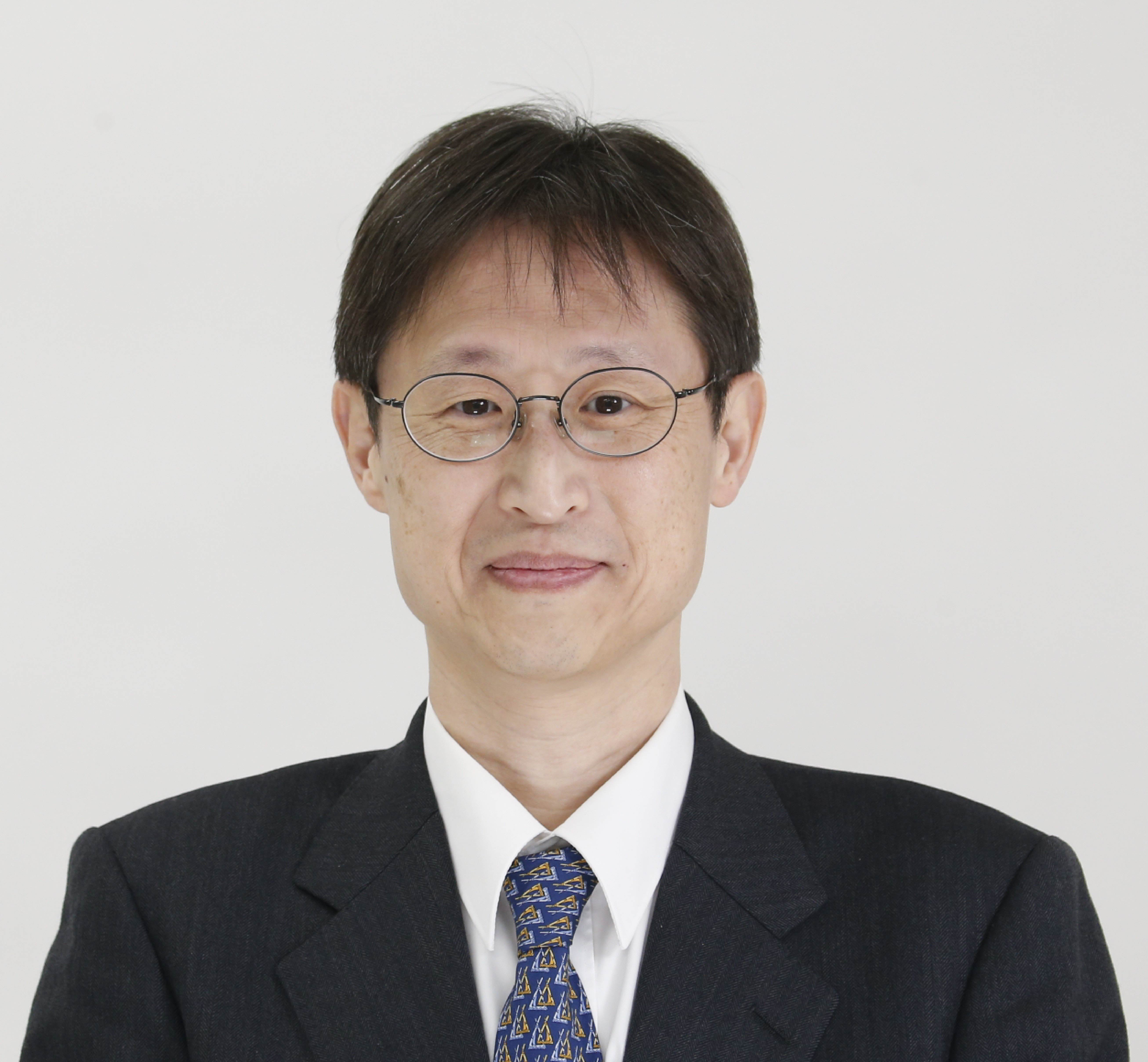
Ryotaro Arita is a Professor of Physics at the University of Tokyo. He received his B.Sc. (1995), M.Sc. (1997), and Ph.D. (2000) in Physics from the University of Tokyo, and was a Research Fellow of the Japan Society for the Promotion of Science during his doctoral studies. After early appointments at the Japan Research Institute and the University of Tokyo, he was a Research Fellow of the Alexander von Humboldt Foundation at the Max Planck Institute for Solid State Research. He subsequently joined RIKEN, where he became a Senior Research Scientist and later a Team Leader at the Center for Emergent Matter Science. He has held professorial positions at the University of Tokyo since 2016 and is currently Professor in the Department of Physics (since 2024). His recent research focuses on theoretical and computational studies of strongly correlated electron systems, topological materials, and quantum materials, combining advanced electronic-structure methods with many-body theory. His work has had a sustained impact on condensed matter physics, as reflected in his repeated selection as a Highly Cited Researcher by Clarivate Analytics (2018–2023, 2025). His honors include the Ryogo Kubo Memorial Prize (2015) and the Commendation for Science and Technology by the Minister of Education, Culture, Sports, Science and Technology (2023).
Prof. Takanobu Kiss
Dean, Faculty and Graduate School of Information Science and Electrical Engineering, Kyushu University
New Frontiers in Next-Generation REBCO Coated Conductors: From Machine Learning-Enabled Electromagnetic Characterization and Scalable Manufacturing to Low-Resistance Joining Technologies (Tentative)
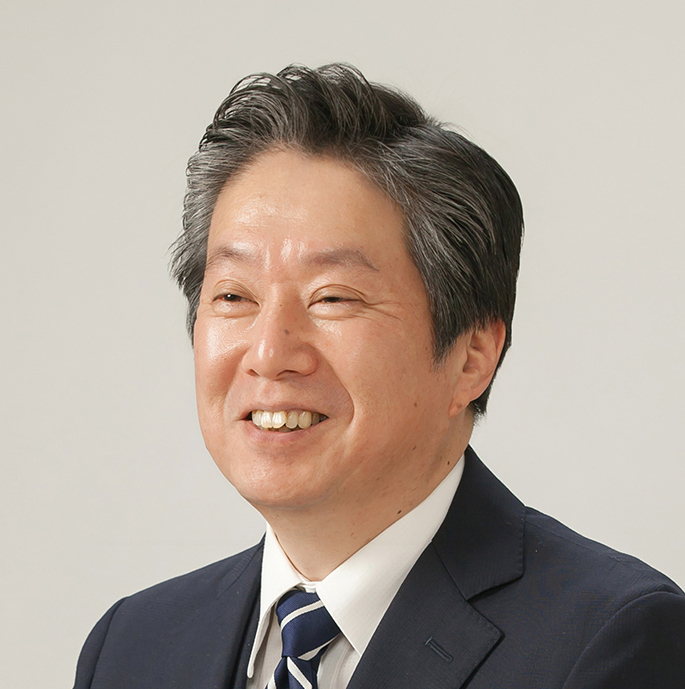
Professor Takanobu Kiss received his doctoral degree from Kyushu University (KU), Japan, in 1991 and joined the university’s faculty in the same year. He has been a Full Professor since 2007 and currently serves as Distinguished Professor, Dean of the Faculty and Graduate School of Information Science and Electrical Engineering, and Director of the Research Institute of Superconductor Science and Systems (RISS) at KU. In addition, he has served as Project Manager of the Moonshot R&D Program, Goal 10, since October 2024, and as Senior Program Officer at the Research Center for Science Systems, Japan Society for the Promotion of Science (JSPS), since April 2023.Professor Kiss is a leading expert in the characterization of superconducting materials. He has pioneered in situ operando measurement techniques to elucidate the local electromagnetic properties of superconductors and coil windings, and has developed an innovative data-driven approach for improving REBCO wire manufacturing on an industrial scale. He has authored over 200 peer-reviewed research papers and five book chapters, and has delivered more than 100 invited talks at international conferences. His honors include the JSAP Fellow Award (2021), the CSSJ Outstanding Achievement Award (2018), and the Superconductor Science and Technology Awards (2006, 2015). He currently serves as a Board Member of ICEC, ICMC, ESAS, the IEEE Council on Superconductivity Administrative Committee (CSC AdCom), and the Cryogenics and Superconductivity Society of Japan (CSSJ)
Prof. Jaw-Shen Tsai
Tokyo University of Science, Faculty of Science
RIKEN Center for Quantum Computing (RQC)
Rise of superconducting quantum circuits (Tentative)
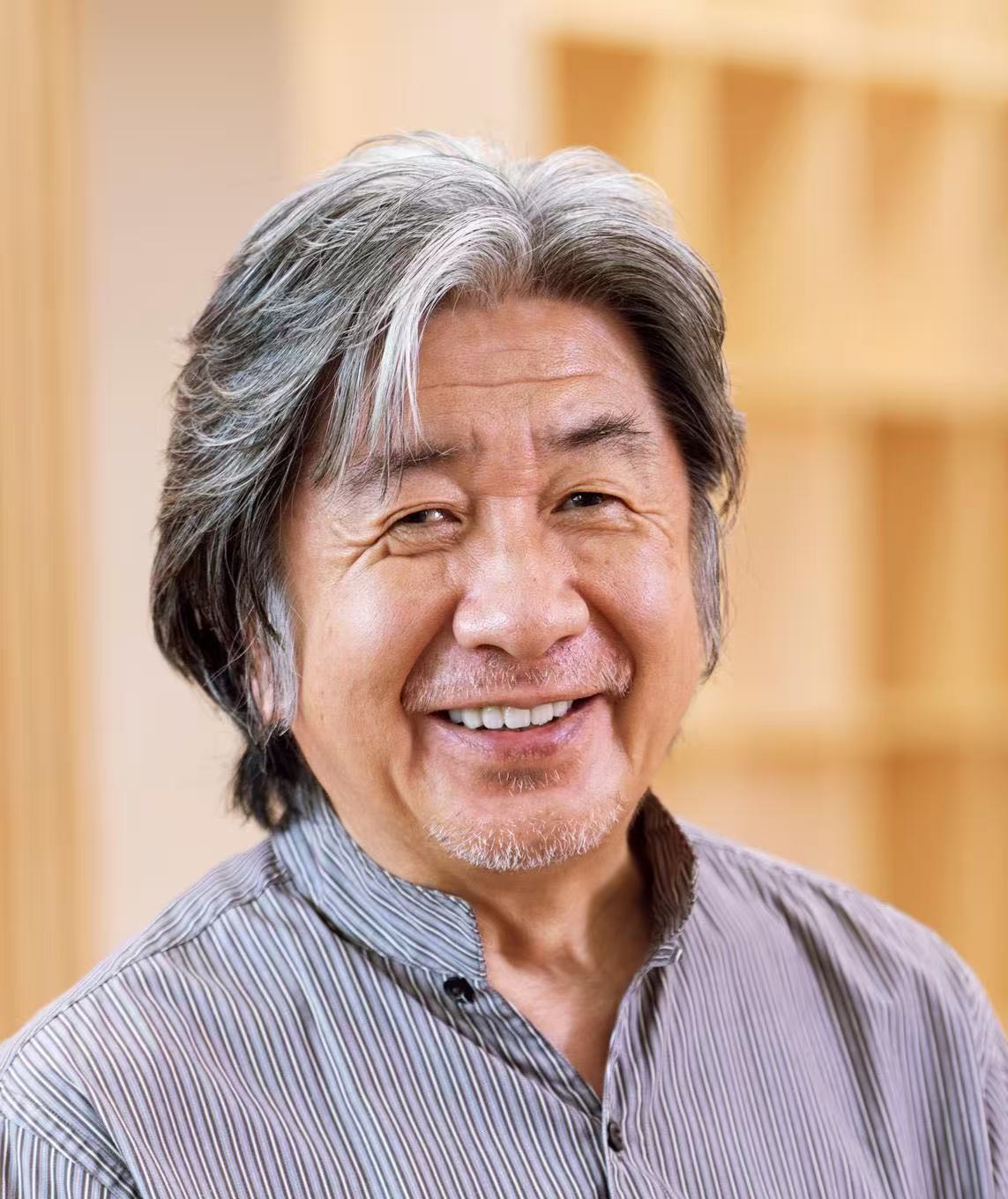
Jaw-Shen Tsai was born in 1952 in Taipei. He graduated from the department of physics of the University of California at Berkeley in 1975 and subsequently received his Ph.D. in Physics from State University of New York at Stony Brook. His research life has been devoted to the study of macroscopic quantum effect in superconductors, especially those which are associated with Josephson junctions. He has contributed to the area of condensed matter physics in both fundamental physics and their technological potential. He led the Josephson-junction-based qubit project at NEC Tsukuba laboratory for many years. He is also the Team Leader of Macroscopic Quantum Simulation Team in RIKEN Center for Quantum Computing. Since 2015, he is a professor of physics at Tokyo University of Science. He has been working on experiments connected to quantum coherence in the Josephson systems. In this direction, his group has been pioneering the science and technology of superconducting quantum computing by demonstrating the first solid-state based qubit (1999), the first solid state CNOT gate (2003), a universal quantum gate operation (2007). Moreover, many important results relating to quantum optics with artificial superconducting atom were demonstrated. He received Nishina Memorial Prize in 2004, Simon Memorial Prize in 2008, Leo Esaki Prize in 2014, Medal with Purple Ribbon in 2018, Asahi Prize in 2021, Japan Academy Prize, Houko Prize, and C & C Prize in 2023. He is an academician of Academia Sinica, a fellow of American Physical Society, and a fellow of Japan Society of Applied Physics.
Dr. Tsuyoshi Wakuda
Hitachi, Ltd.
Can Superconductivity Marry Liquid Hydrogen?
- Building a 20 K Cryogenic Space and Rethinking Superconductivity for a Better Society -(tentative)
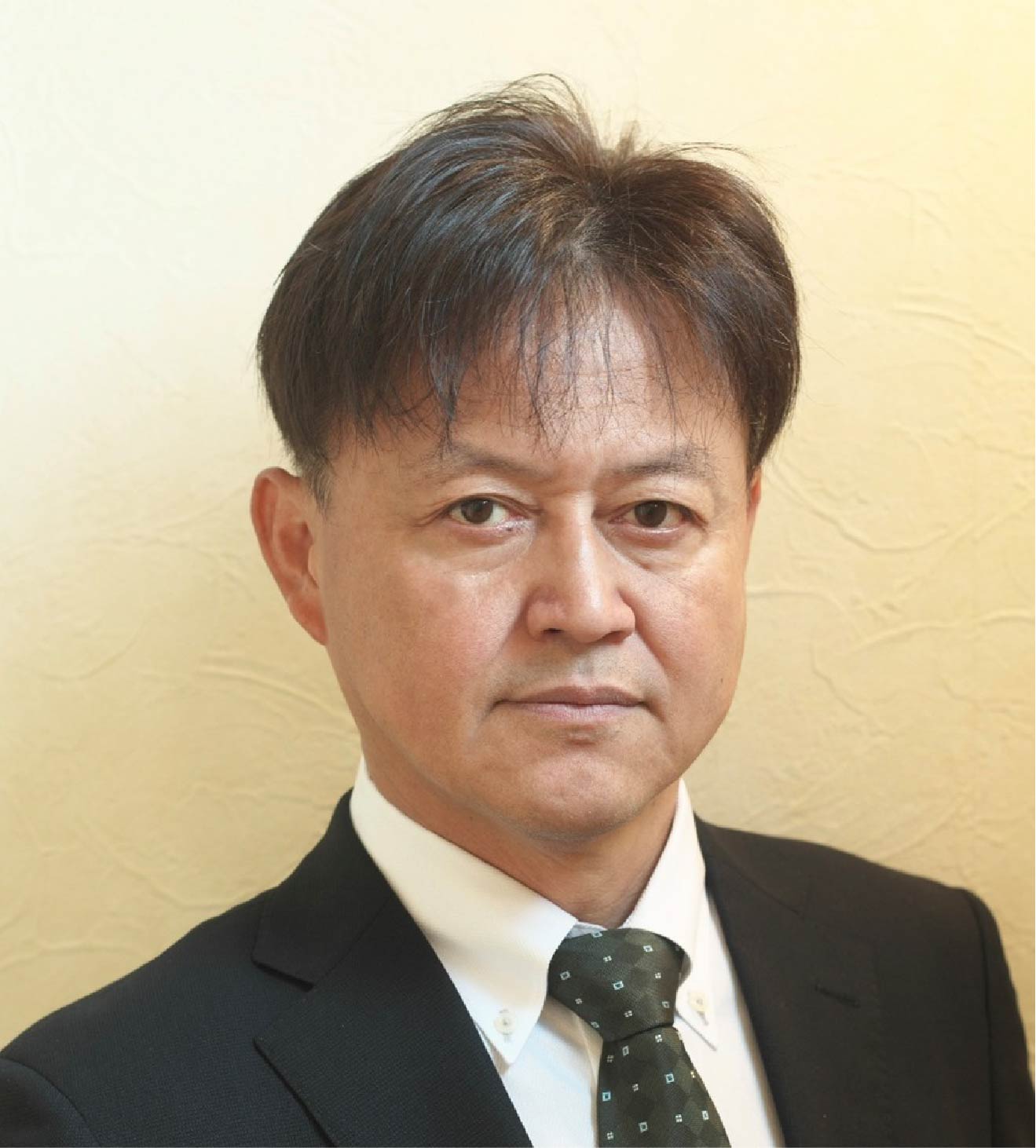
Dr. Tsuyoshi Wakuda is an industry-based researcher at Hitachi, Ltd., where he has been engaged in the development of superconducting magnets since 1997. He received his B.E. (1991), M.E. (1995), and Ph.D. (1997) degrees from Kyushu University. During his student years, his research focused on flux pinning phenomena and AC losses in high-temperature superconductors. Since joining Hitachi, Ltd., he has been continuously involved in the design and development of superconducting magnets for MRI, NMR, and accelerator applications, with particular emphasis on the generation of ultra-precise and highly uniform magnetic fields. His contributions to the development of advanced superconducting magnet systems for industrial applications have been recognized by the Superconductivity Science and Technology Award from The Society of Non-Traditional Technology (Japan) and the Science and Technology Impact Award from the Cryogenics and Superconductivity Society of Japan. In parallel with his corporate research activities, he has in recent years served as the leader of a community-driven, cross-organizational initiative within the superconductivity community, known as the Hydrogen and Superconductivity Synergy Study Group. This initiative focuses on the creation of future societal scenarios based on liquid hydrogen and on examining the roles that superconductivity can play in enabling such a society.
INVITED SPEAKERS
Physics and Chemistry (PC)
Dr. Tomoki Kobayashi
Osaka University
Prof. Cui-Zu Chang
The Pennsylvania State University
Prof. Kosuke Ishida
Department of Advanced Materials Science
The University of Tokyo
Dr. Masahiro Naritsuka
Riken
Prof. Minoru Nohara
Hiroshima University
Dr. Yuki Itahashi
Riken
Prof. Masafumi Horio
The Univeristy of Tokyo
Prof. Shinichiro Ideta
Hiroshima University
Prof. Gianluca Ghigo
Politechnico di Torino
Prof. Alejandro V. Silhanek
University of Liege
Prof. Akinobu Kanda
University of Tsukuba
Prof. Steven Anlage
University of Maryland
Prof. Liangzi Deng
University of Houston
Dr. Hiroya Sakurai
NIMS
Dr. Bai Yang Wang
Stanford University
Dr. Feiyu Li
Shandong University
Dr. Akira Fujiwara
Tohoku University
Prof. Motoki Osada
The Univeristy of Tokyo
Dr. Masaru Kato
Numerical Simulation Research Institute LLC / AIST
Electronic Device (ED)
Prof. Yoshinori Uzawa
NAOJ
Prof. Ralf Behr
PTB
Dr. Tsunehiro Hato
SUSTEC
Prof. Masanori Takeda
Shizuoka Univ.
Prof. Lixing You
SIMIT
Prof. Takayuki Kubo
KEK
Dr. Lee Yong-Ho
KRISS
Prof. Taro Yamashita
Tohoku Univ.
Prof. Teruo Ono
Kyoto Univ.
Prof. Ilkwon Byun
Kyusyu Univ.
Prof. Ali Bozbey
TOBB ETU
Prof. Hans Hilgenkamp
University of Twente
Prof. Zhirong Lin
SIMIT
Mr. Yuki Matsuyama
Univ. of Tokyo
Dr. Yu Zhou
Fujitsu
Prof. Santiago Valles Sanclemente
TU Delft
Prof. Hiroki Kutsuma
Tohoku Univ.
Dr. Mutsuo Hidaka
AIST
Prof. Satoshi Kawakami
Kyusyu Univ.
Wires and Bulk (WB)
Dr. SeungHyun Moon
SuNAM
Dr. Arnaud Badel
G2ELab, CNRS
Prof. Yusuke Ichino
Aichi Institute of Technology
Dr. Nicolas Rotheudt
Univ. Liege
Prof. Takashi Nakamura
RIKEN
Prof. Fumitake Kametani
Florida State University
Prof. Shiv Singh
Institute of High Pressure Physics
Polish Academy of Sciences
Dr. Takanori Motoki
AIST
Prof. Akiyasu Yamamoto
Tokyo University of Agriculture and Technology
Prof. Joffre Gutierrez
Institut de Ciencia de Materials de Barcelona
CSIC
Prof. Venket Selvamanickam
University of Houston
Dr. Jiamin Zhu
Shanghai Superconductor Technology Co. Ltd.
Prof. Yuji Tsuchiya
Tohoku University
Prof. Ma Yanwei
Institute of Electrical Engineering
Chinese Academy of Sciences
Prof. Boris Alfredo Maiorov
Los Alamos National Laboratory
Dr. Ohsugi Masaki
Fujikura
Dr. Hisaki Sakamoto
SuperPower
Prof. Kirk Adams
University of Oxford
Prof. Jan Jaroszyński
National High Magnetic Field Laboratory
Florida State University
Prof. Fang Liu
Institute of Plasma Physics
Chinese Academy of Sciences
Prof. Nicolas Long
Victoria University of Wellington
Prof. Carmine Senatore
University of Geneva
Large Scale Applications (AP)
Prof. Min Zhang
University of Strathclyde
Dr. Simonetta Turtù
ENEA
Prof. Nick Long
Victoria University of Wellington
Dr. Erica Salazar
Commonwealth Fusion Systems
Dr. Martins Araujo Douglas
Paul Scherrer Institute PSI
Dr. Amalia Ballarino
CERN
Dr. Enric Pardo
Slovak Academy of Sciences
Prof. Taketsune Nakamura
Kyoto University
Prof. Toshihiko Sugiura
Keio University
Prof. Kazuhiro Kajikawa
Sanyo-Onoda City University
Prof. Toshiya Doi
Kyoto University
Prof. Hiroyuki Ohsaki
NIMS
Prof. Naoki Hirano
NIFS
Dr. Shohei Takami
Toshiba
Prof. Tatsushi Nakamoto
KEK
Dr. Yu Suetomi
NHMFL
Dr. Pierre Vedrine
CEA Paris Saclay
Dr. Tengming Shen
Lawrence Berkeley National Laboratory
Dr. Kamil Sedlák
Swiss Plasma Center (SPC), EPFL, Villigen PSI